
Alumni impact
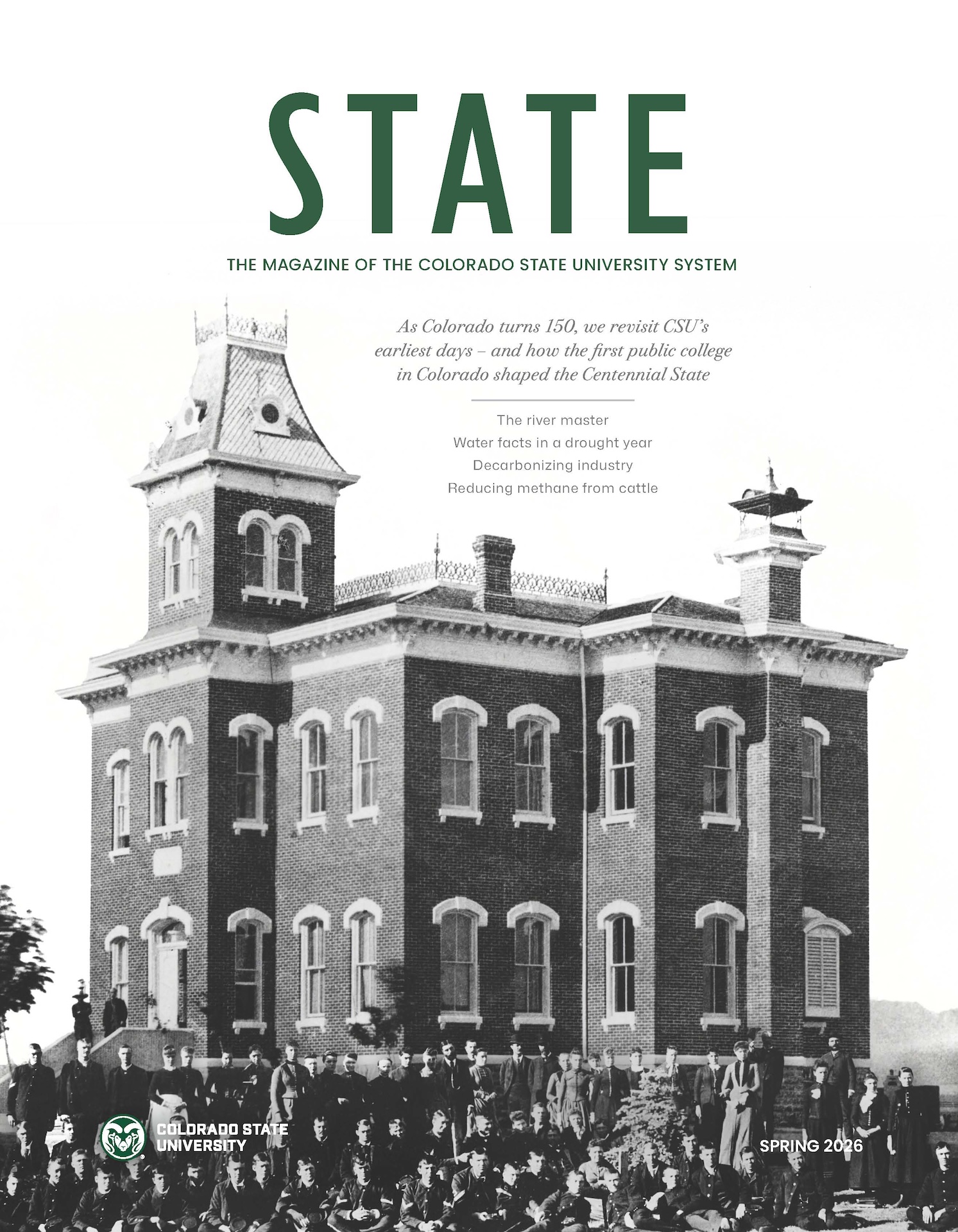
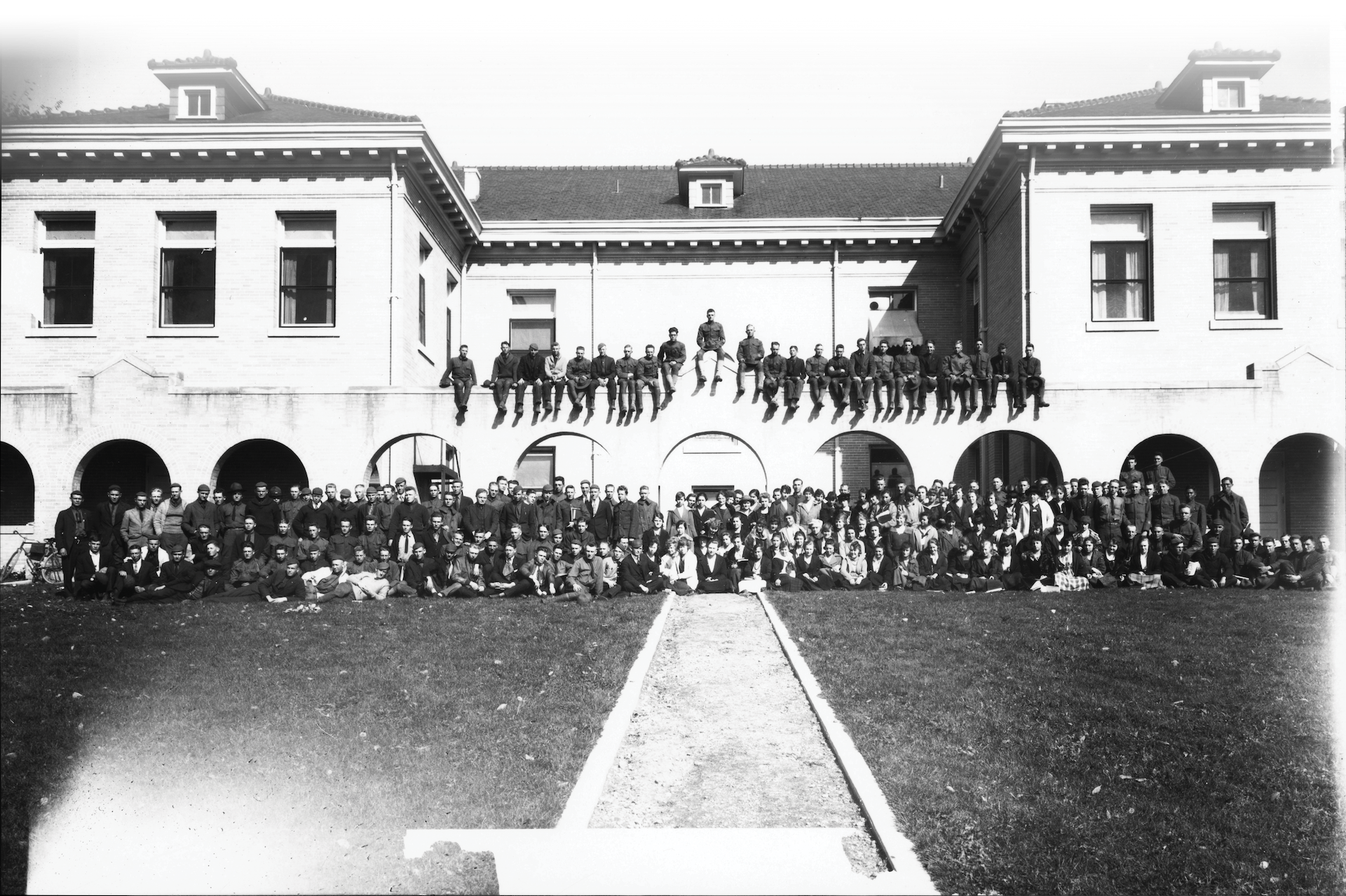
From its first days, Colorado State University’s biggest impact on Colorado has been its graduating students: They contribute immeasurably to their families, professions, and communities across the state and beyond.
Food, forestry, water
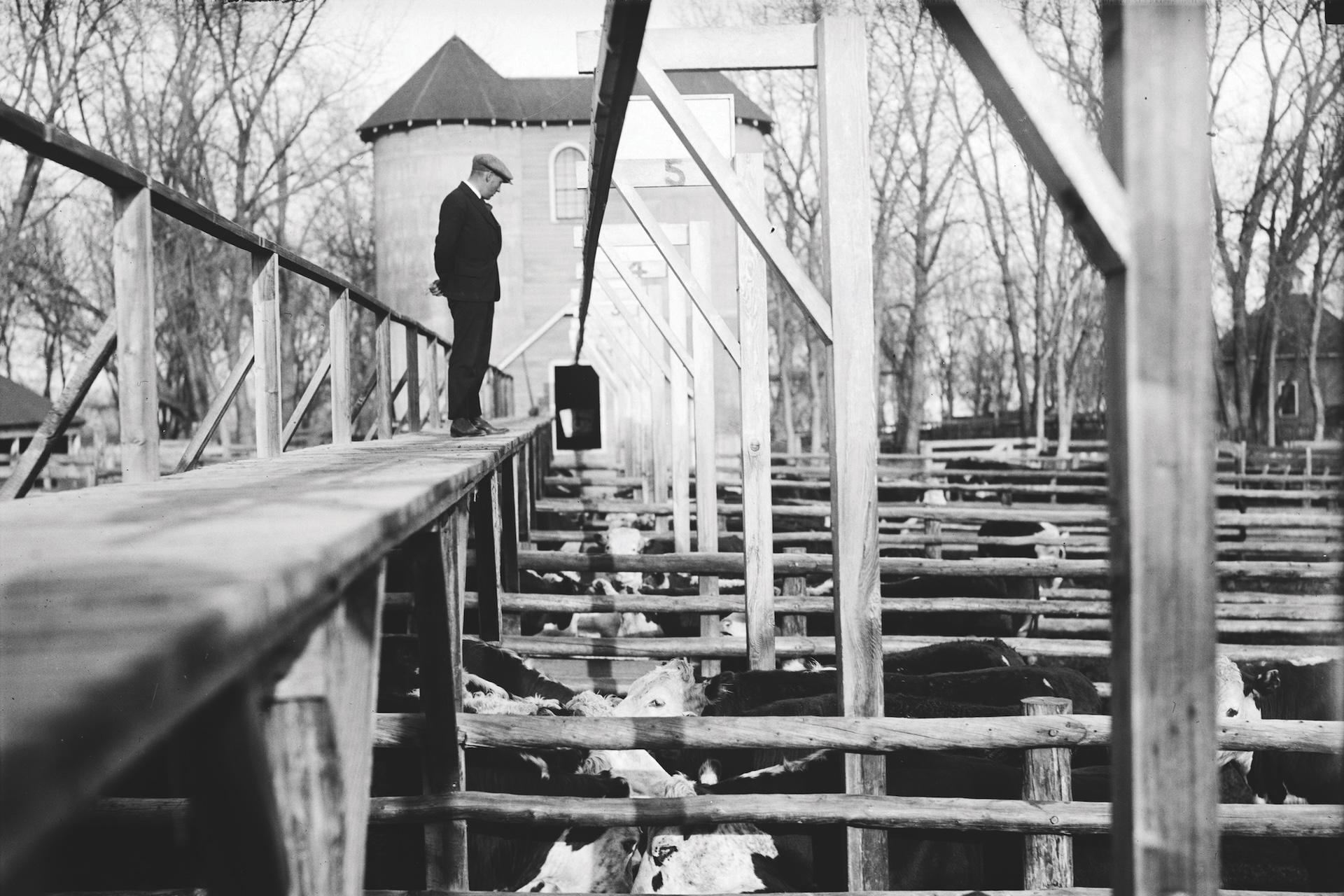
When Colorado became a state 150 years ago, the Colorado Agricultural College was already driving agricultural innovations to improve the economy and quality of life. With this focus, the college shaped food production and water management in the state.
Unleashing hope
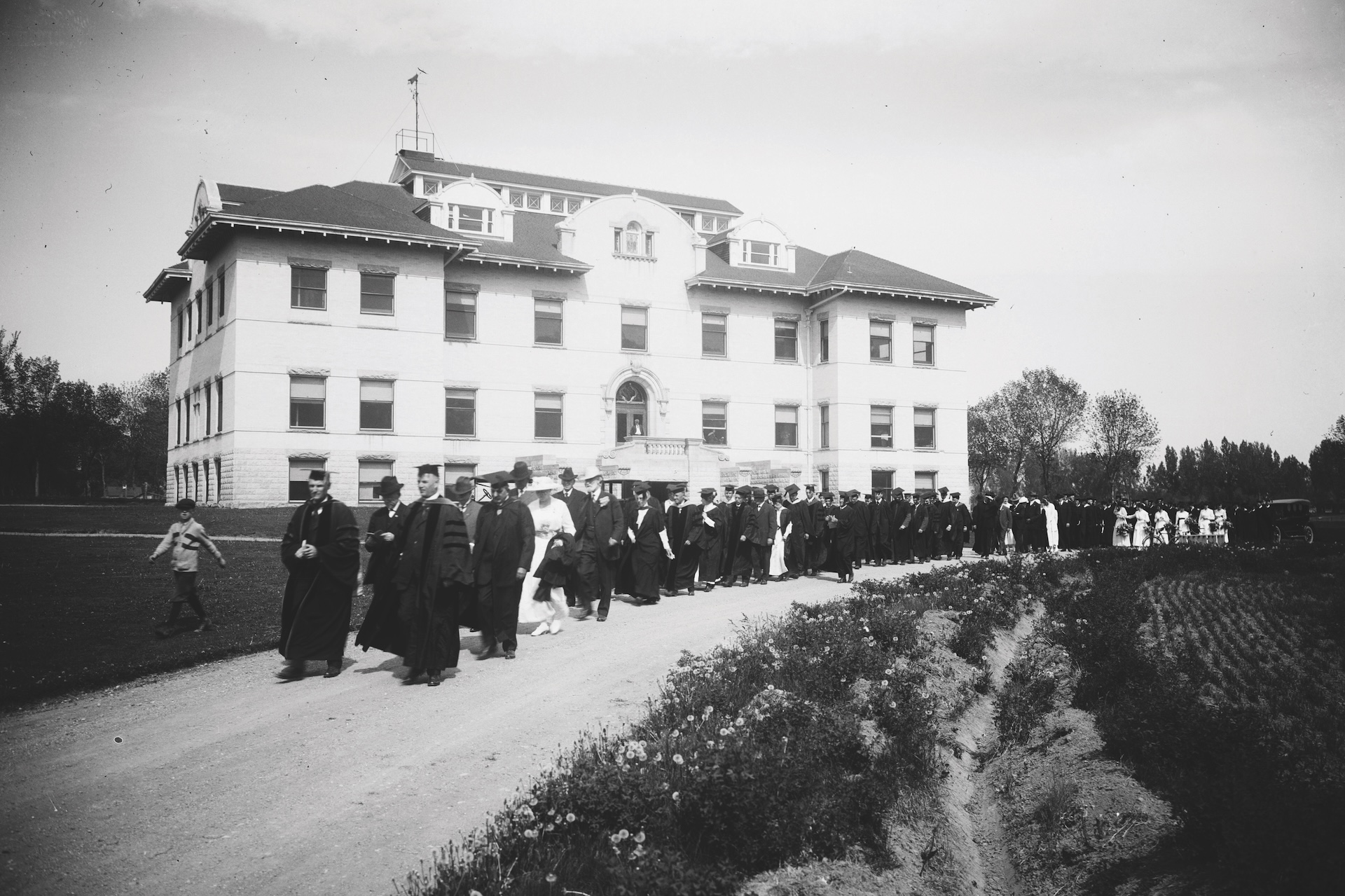
As we honor the state’s 150th birthday and look to the future, American public higher education will thrive because it is aligned with that small, simple, almost innocent thing called hope, Tony Frank, CSU System chancellor, writes.
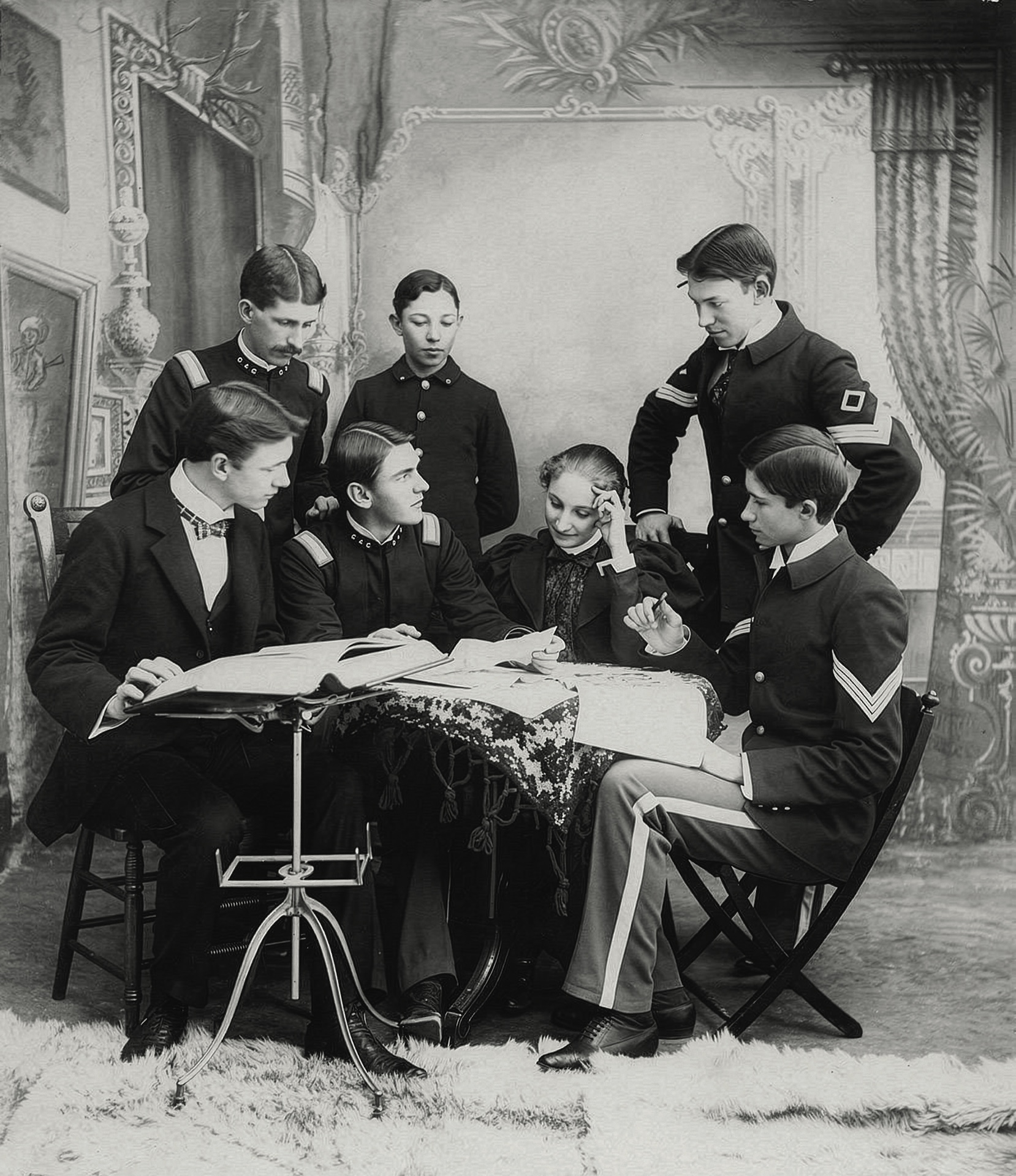
Democracy’s college
CSU has a critical role in advancing democracy as Colorado marks its 150th anniversary and the United States marks its 250th. This role must be earned, again and again, through effort and participation, Amy Parsons, CSU president, writes.
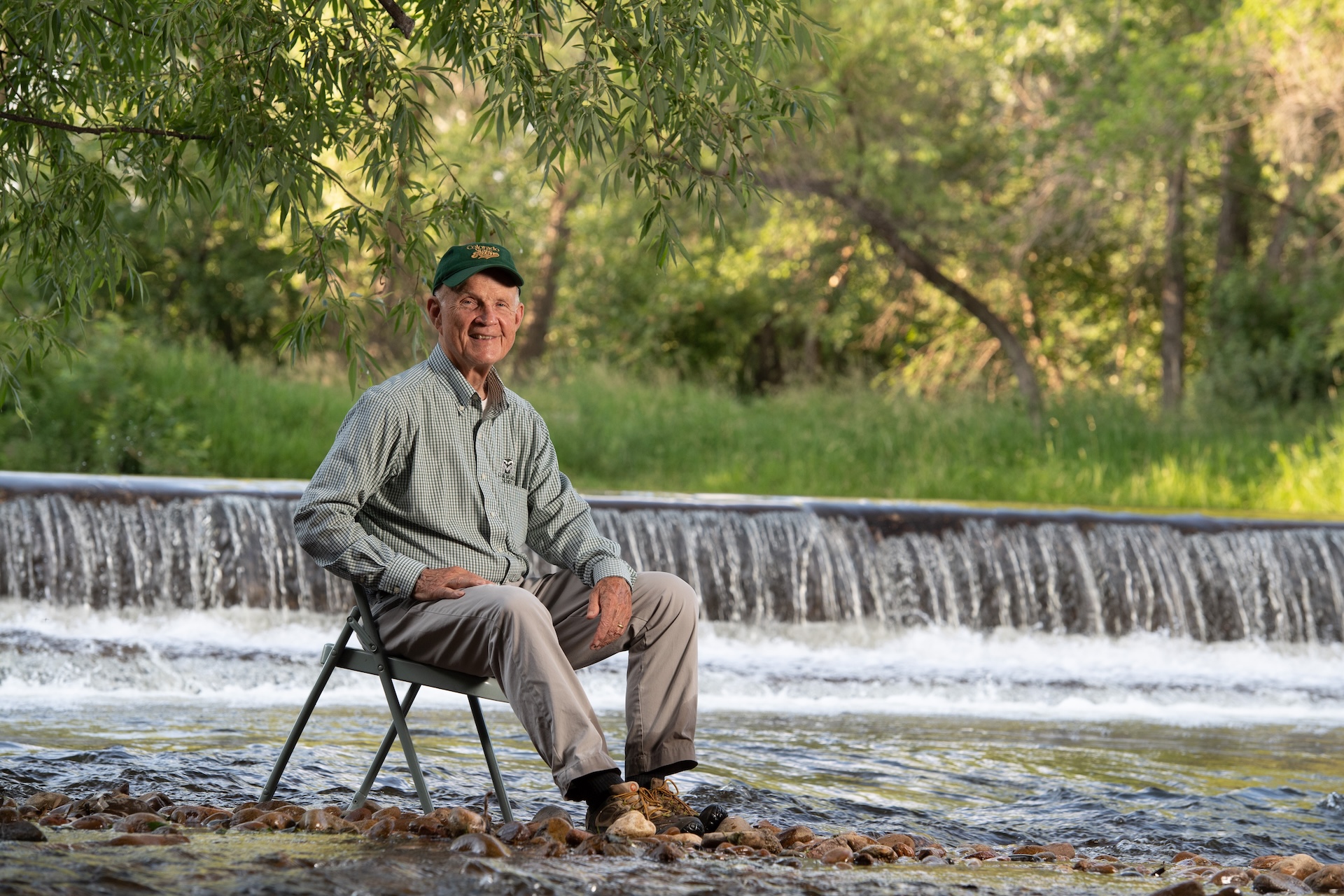
River master
Neil Grigg, a CSU alumnus and professor of civil and environmental engineering, is the embodiment of Colorado State’s wide-ranging expertise in water management, which has spanned years and disciplines.
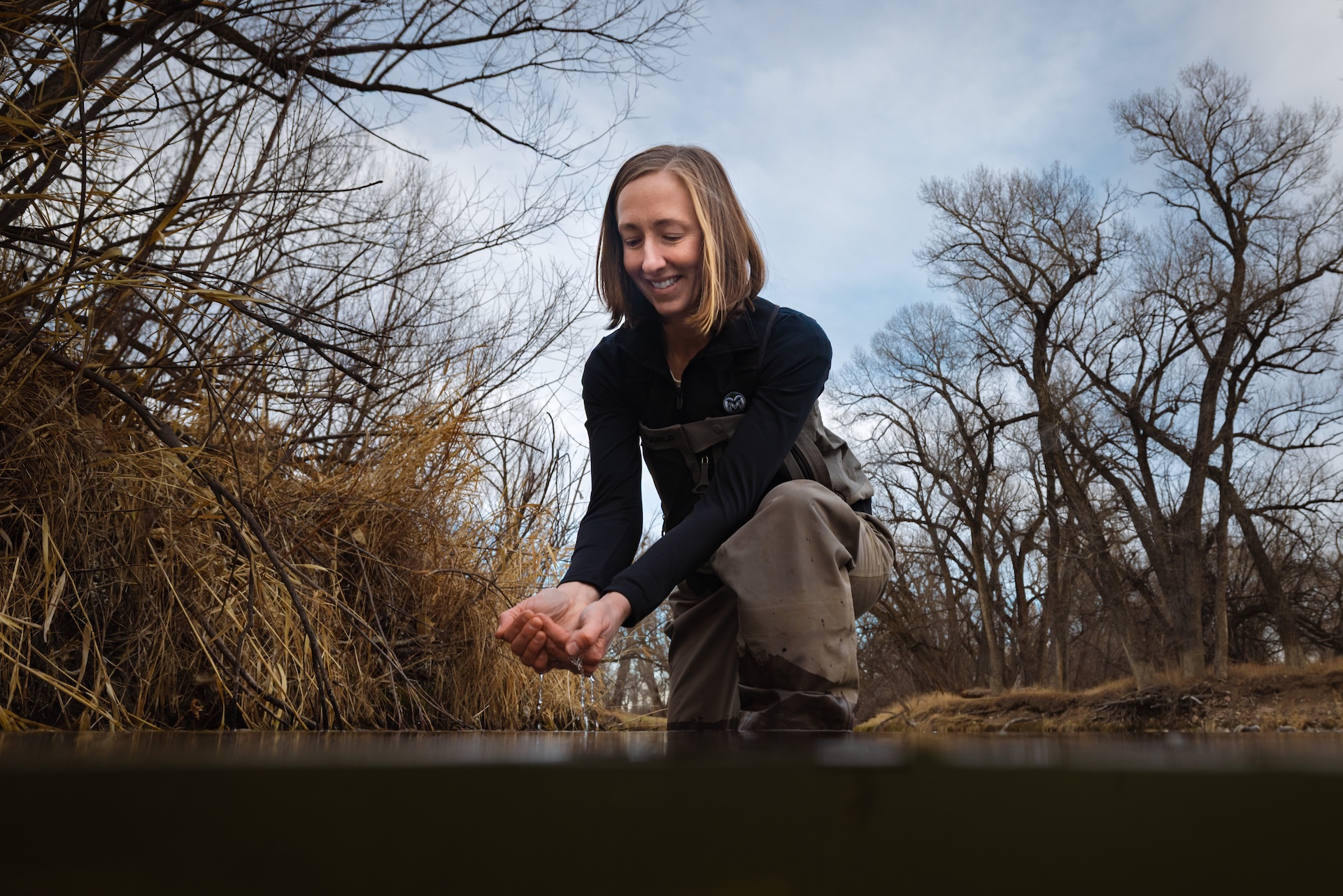
Water world
Karen Schlatter, director of CSU’s Colorado Water Center, answers questions about a precious resource in Colorado, underscoring its complexity and the importance of its management, especially in a time of drought.
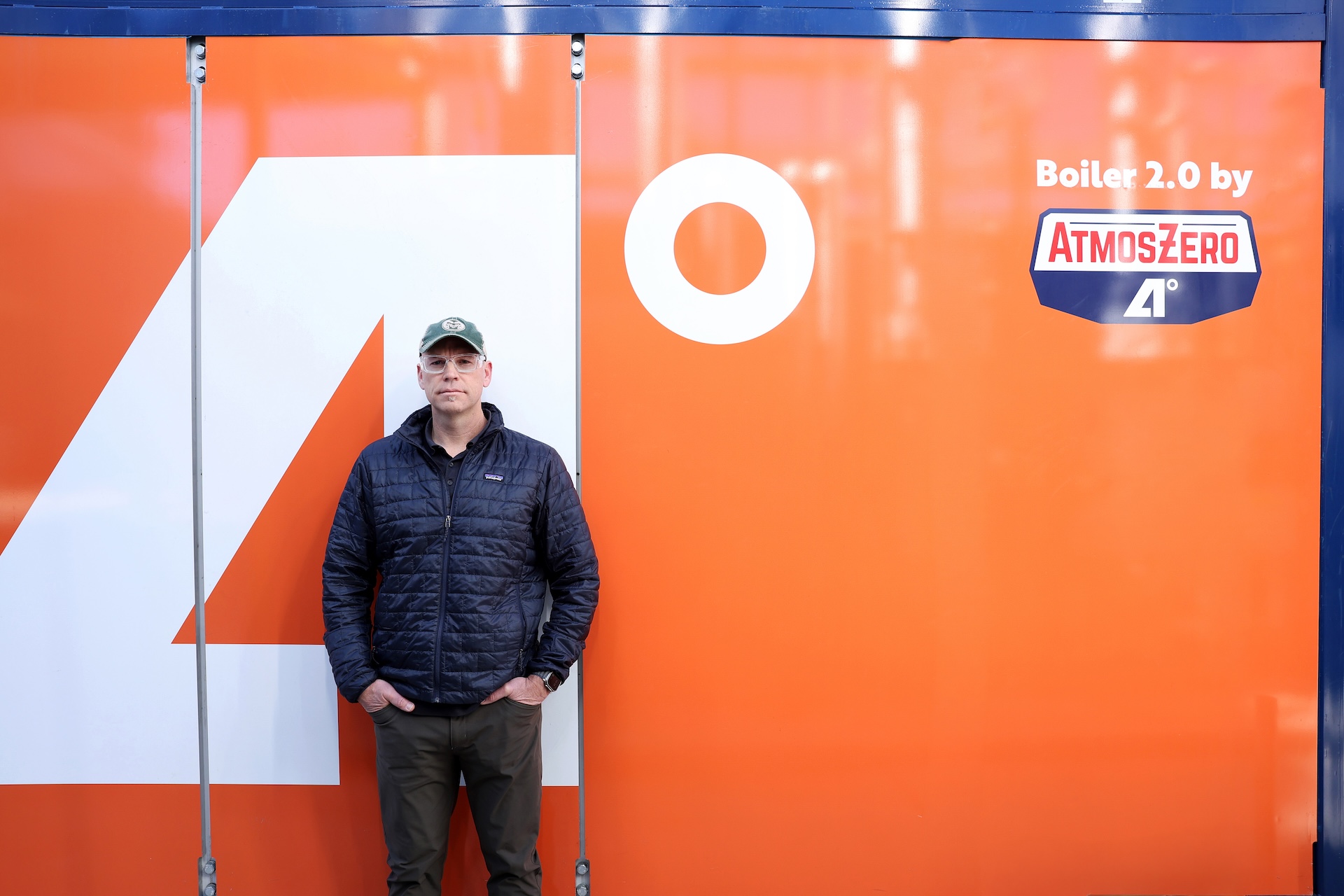
Full steam ahead
Steam is the workhorse of industry, yet it adds significant air pollutants to the environment. One CSU professor aims to fix that and has founded a startup company whose technology is decarbonizing steam for the industrial sector.
Reducing methane
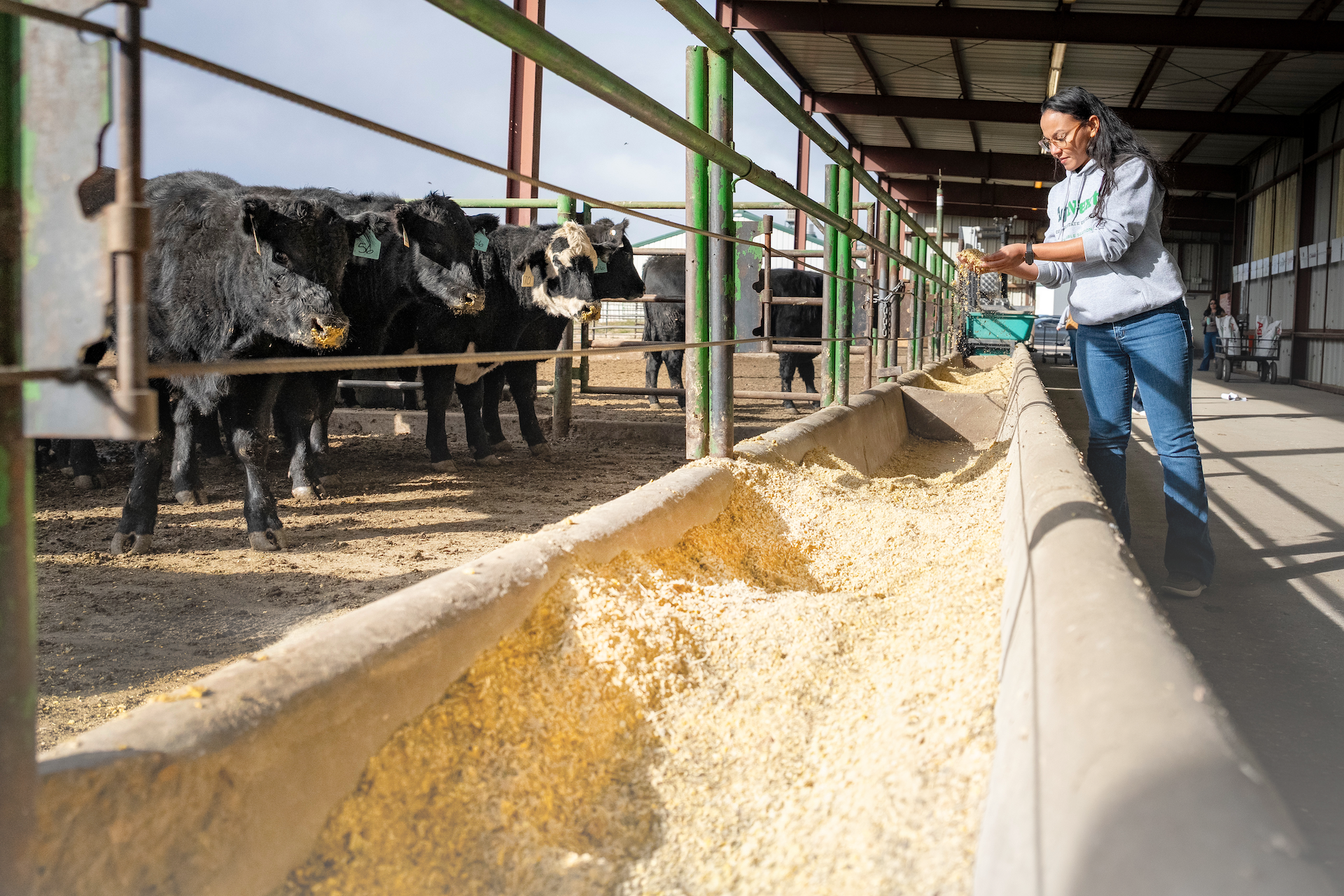
Cattle have a unique digestive system that converts even low-quality roughage to high-quality protein – but also emits the greenhouse gas methane. CSU researchers are examining ways to reduce the problem.
From the president
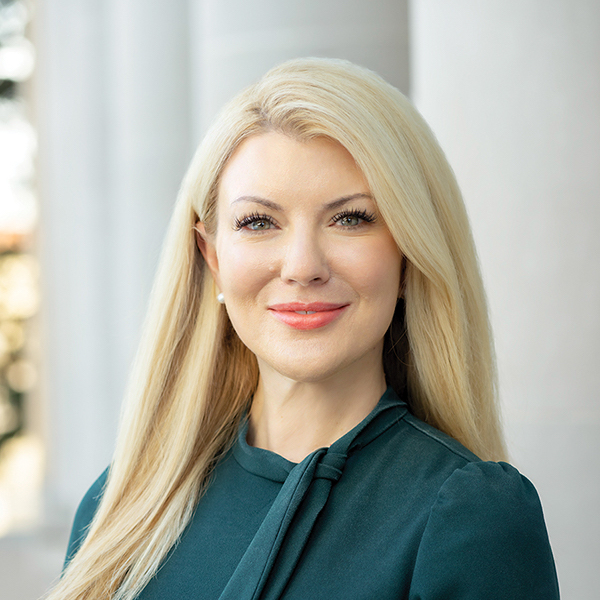
CSU President Amy Parsons notes that, for a century and a half, CSU has shaped Colorado’s growth and prosperity. Many modern challenges – water management, agriculture, and stewardship of natural resources – are the same that called CSU into being.
President of CSU Pueblo
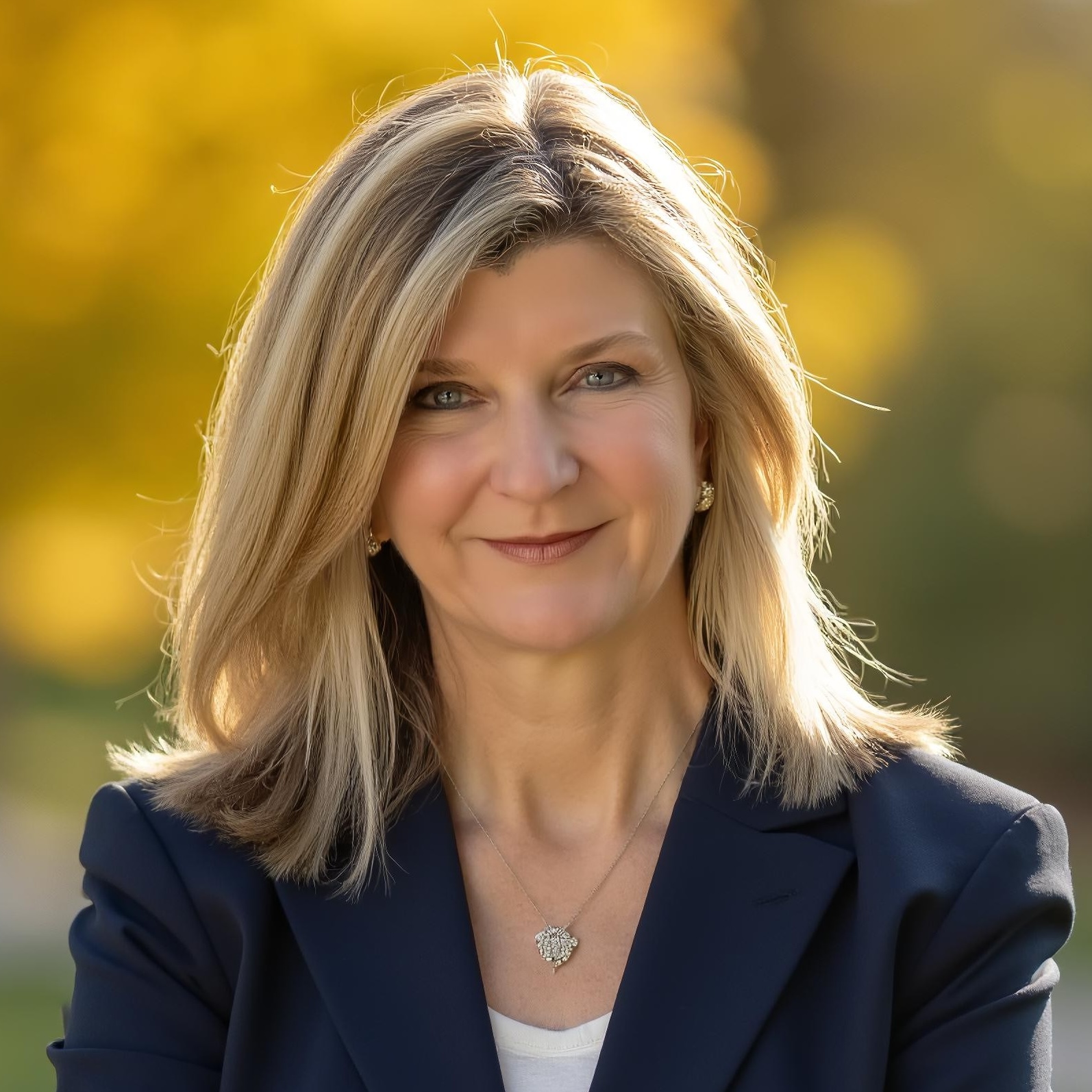
Rhonda Epper, a deeply experienced higher-education leader in Colorado, began work in late March as the 17th president at CSU Pueblo. Epper earlier served as president of Trinidad State College in southern Colorado.
Fiesta queen
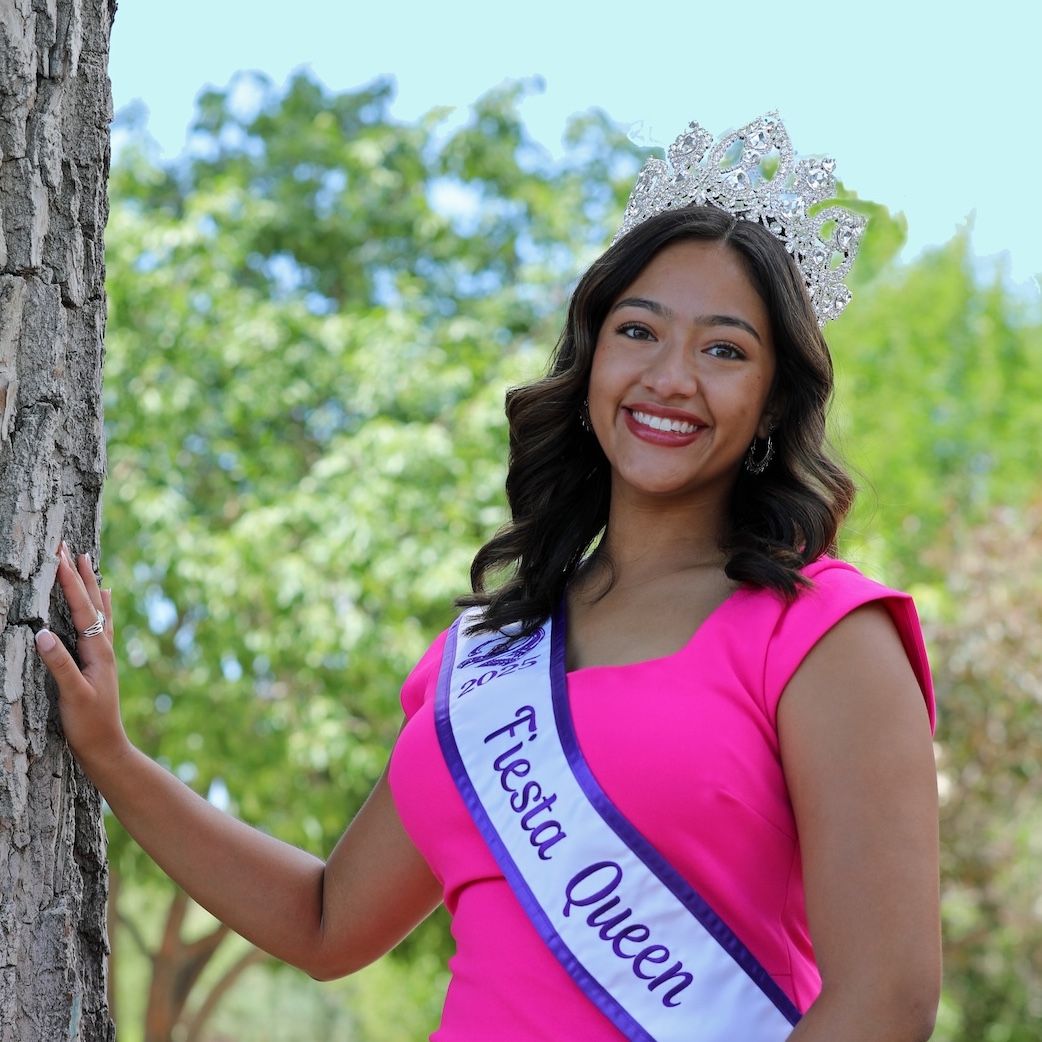
Ysabelle Rosales, a CSU honors student, is using her year as Colorado State Fair Fiesta Queen to tout the value of higher education for Hispanic students – especially first-generation students, like herself, who are the first in their families to earn college degrees.
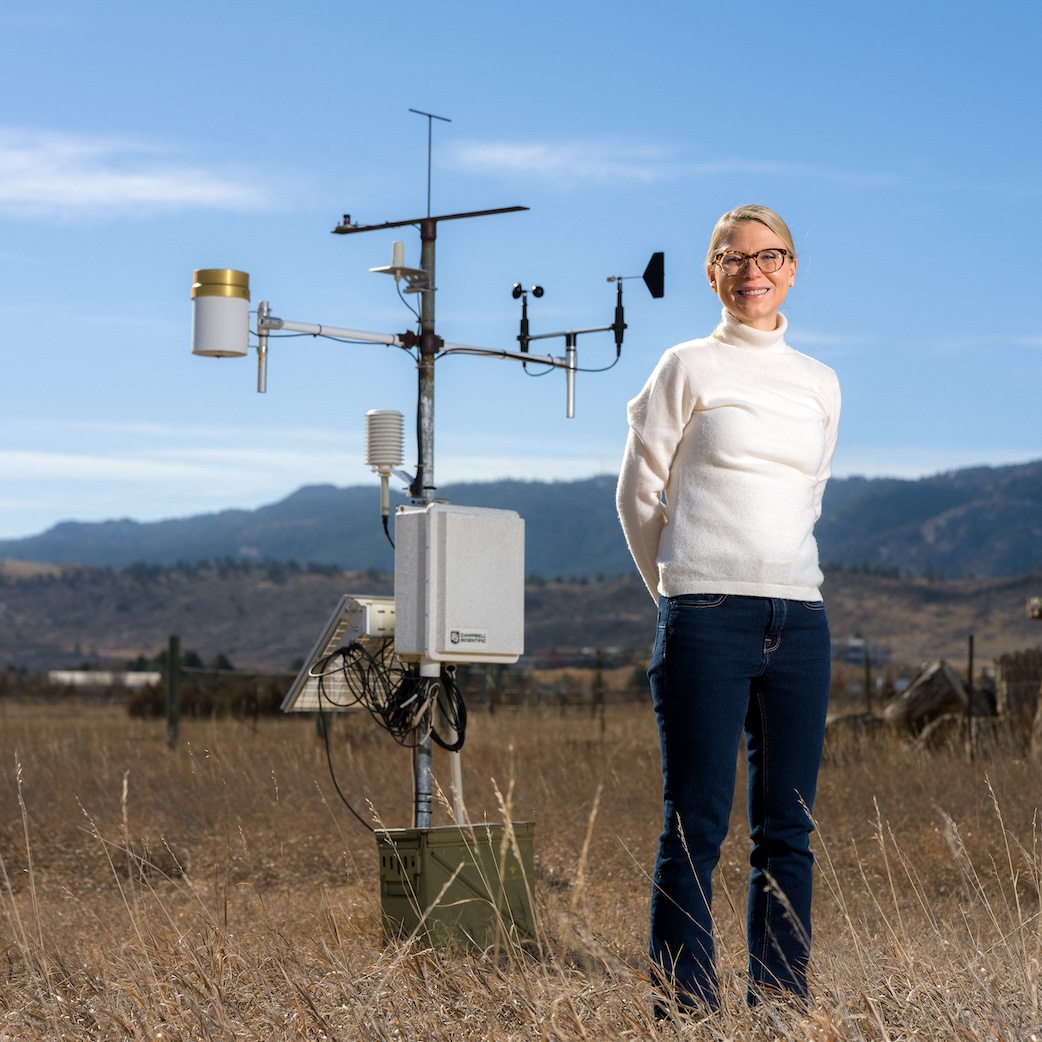
Soil moisture
CSU is leading a statewide effort to enhance soil moisture monitoring, which produces increasingly important insights that can help everyone from farmers to weather forecasters better predict water supplies.
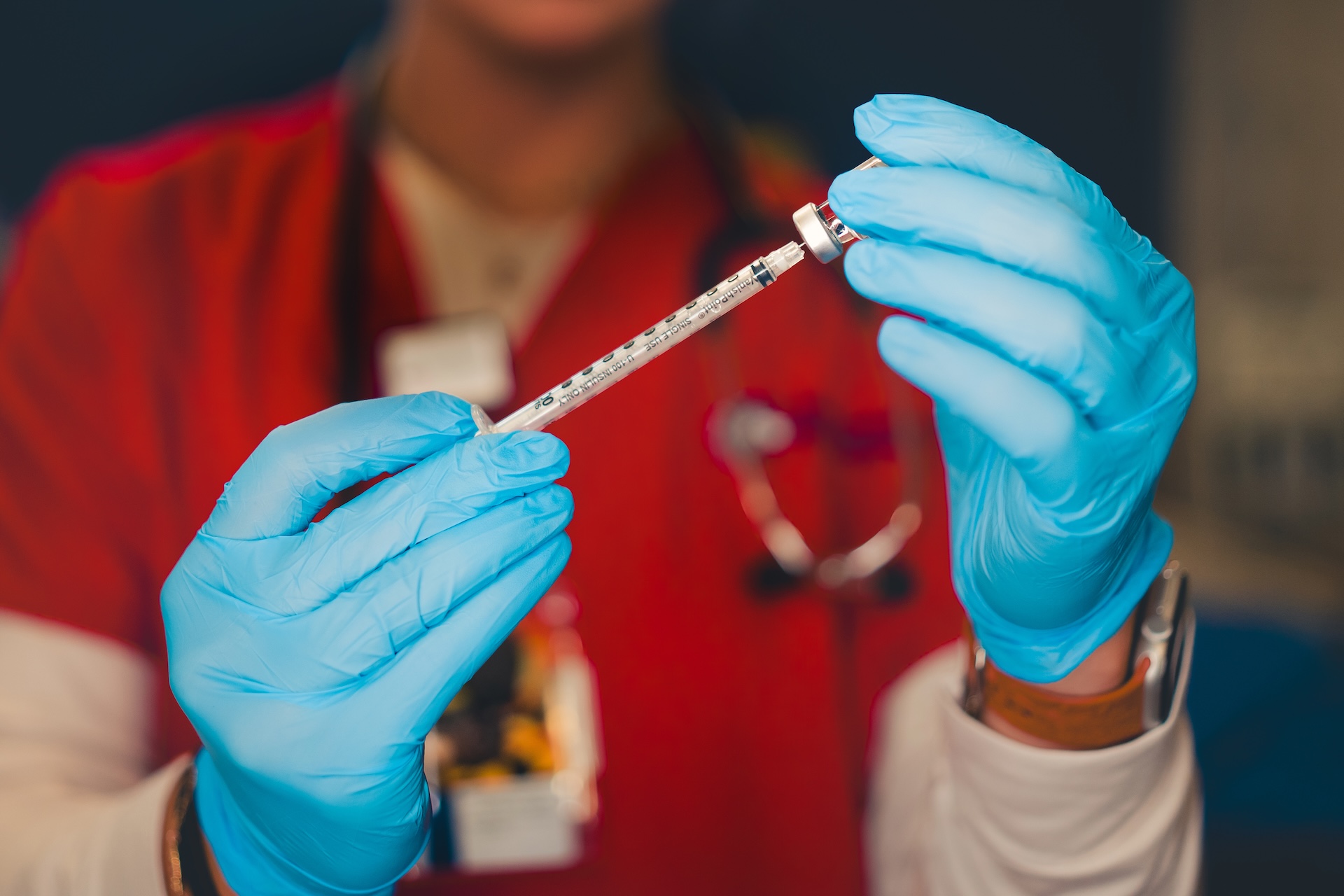
Nursing program
This fall, future nurses will start a new five-year academic program in Fort Collins that draws on the teaching expertise of both CSU and CSU Pueblo to prepare registered nurses whose skills are urgently needed to fill a workforce shortage.
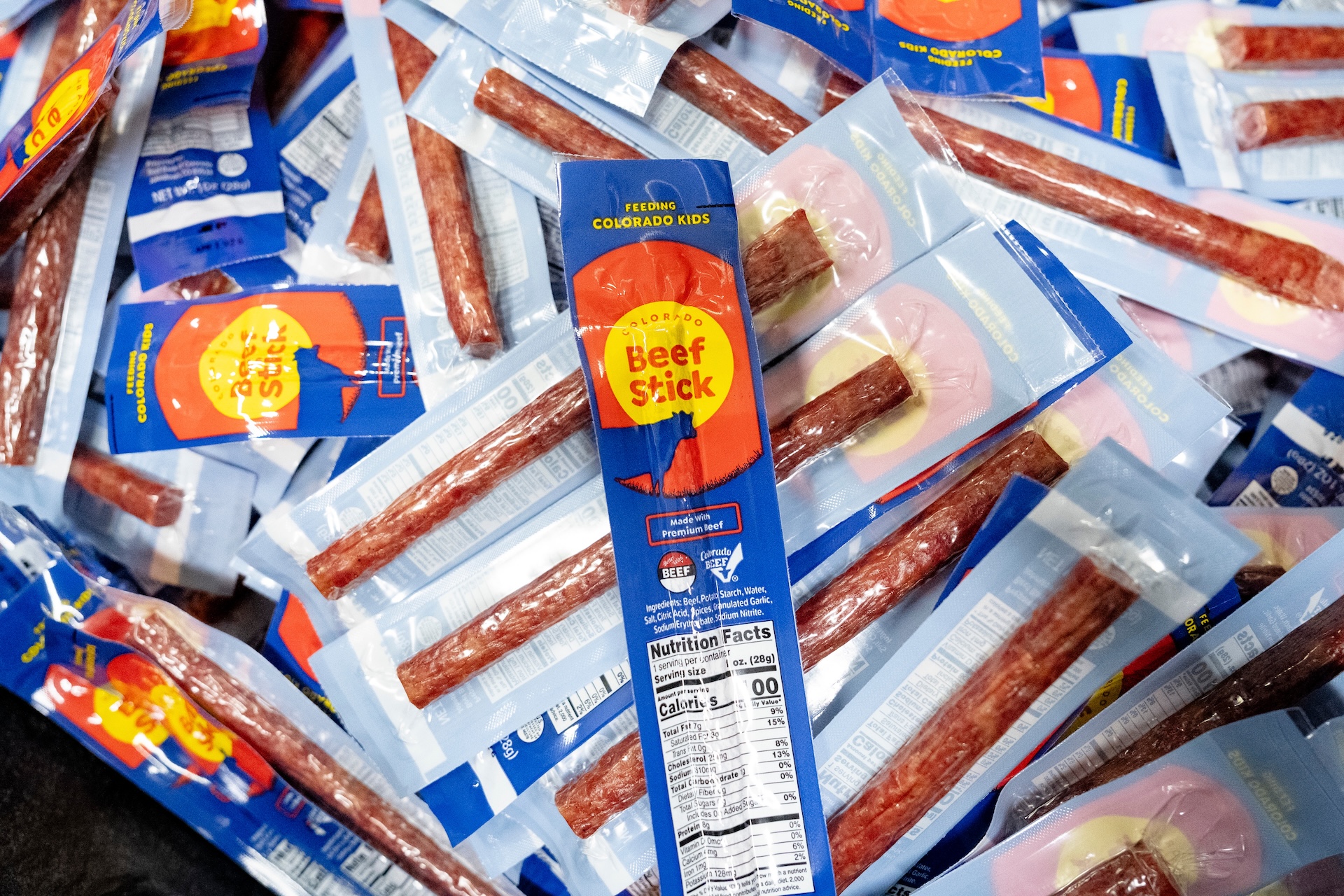
Beef sticks
With the help of CSU student employees, Beef Sticks for Backpacks has made and donated more than 3.2 million high-protein beef sticks for Colorado children facing food insecurity. It is one of the university’s most important community outreach programs.
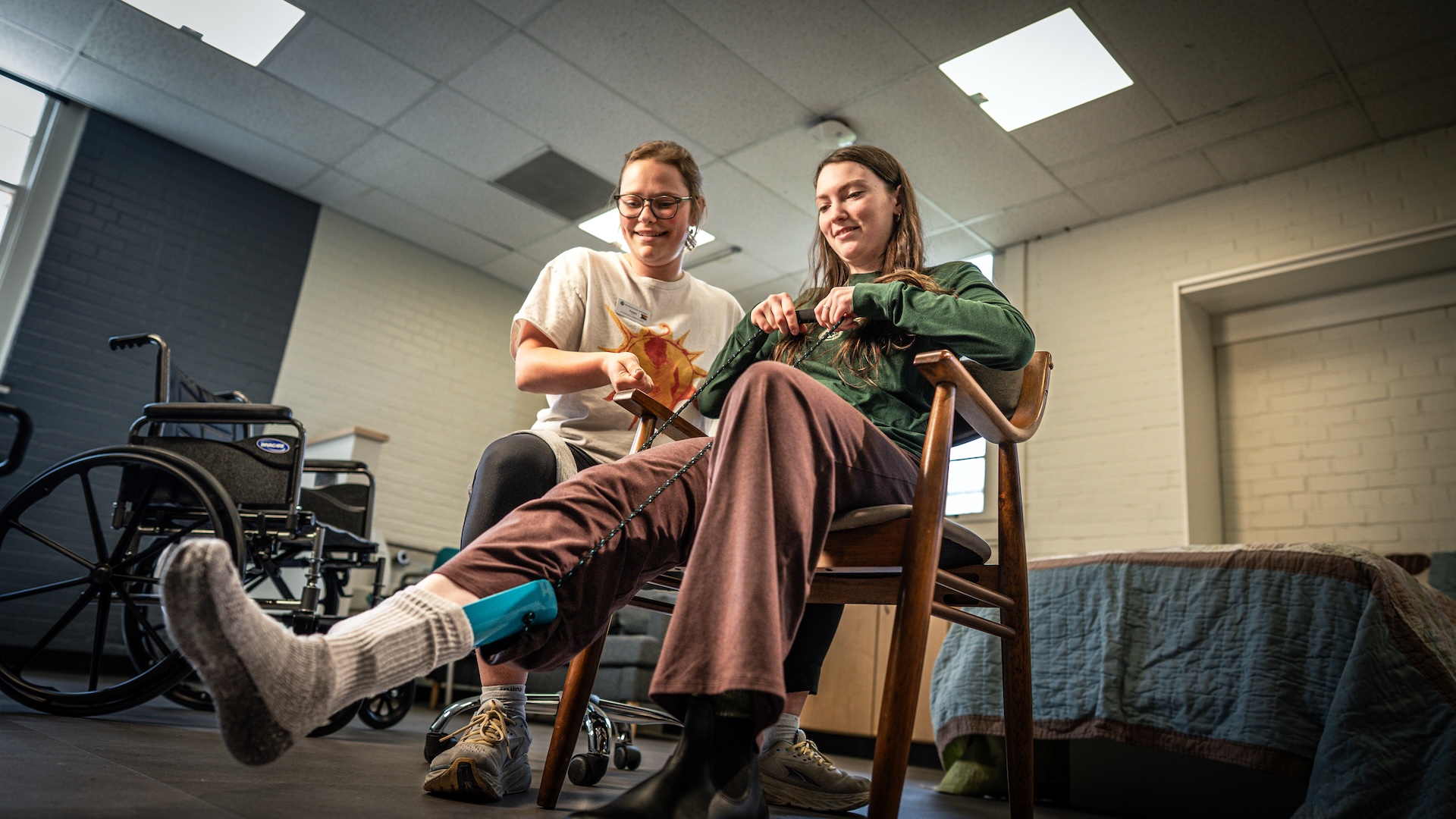
Occupational therapy
For the first time, the Occupational Therapy doctoral program at CSU has been ranked No. 1 in the country by U.S. News & World Report. The program prepares highly trained practitioners to help people navigate challenges in their daily lives.
60 Minutes
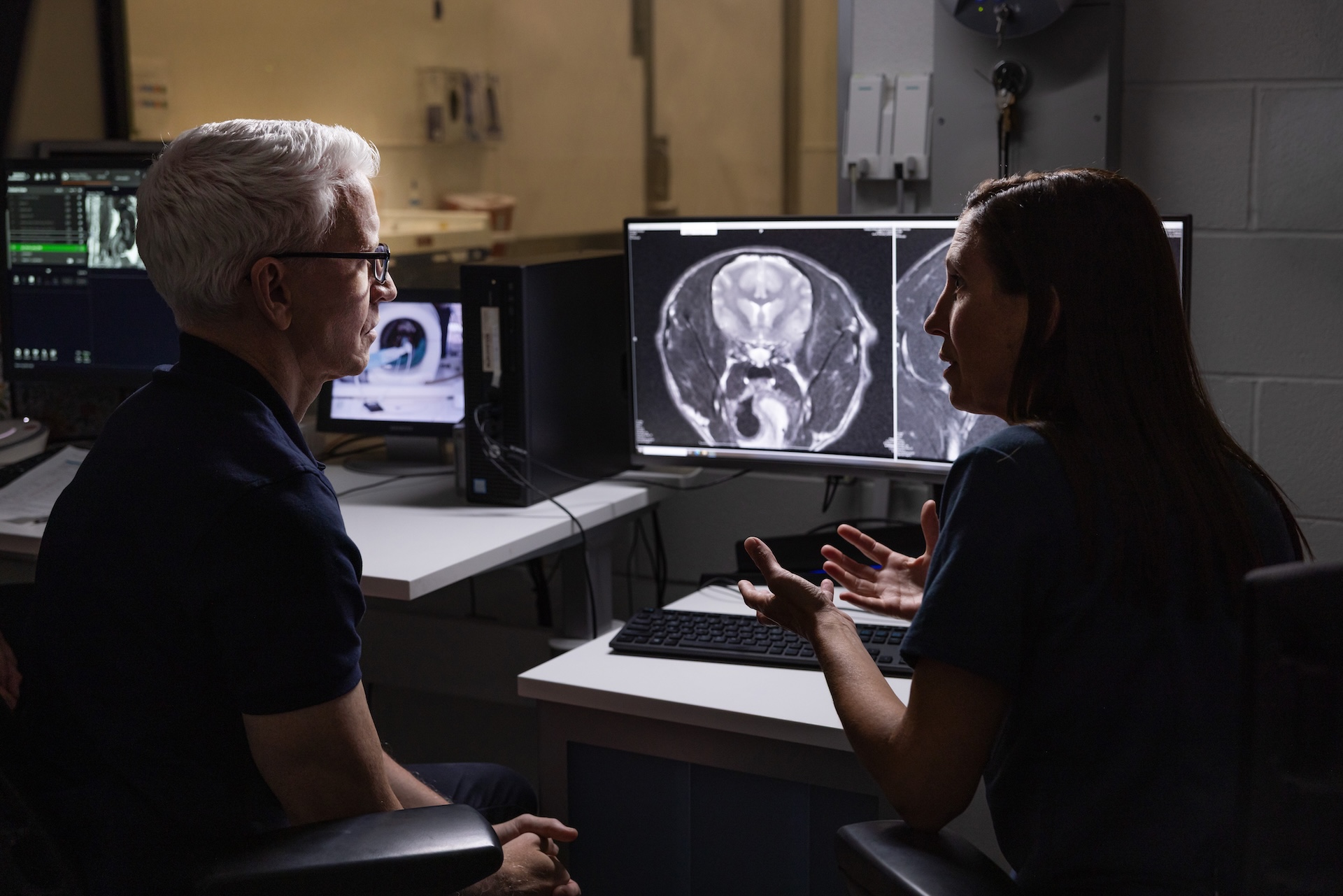
The CBS newsmagazine 60 Minutes recently aired a segment interviewing CSU scientists about their research into dementia in dogs as a path to better understanding – and potentially treating – cognitive decline in both dogs and people.
Students and discoveries
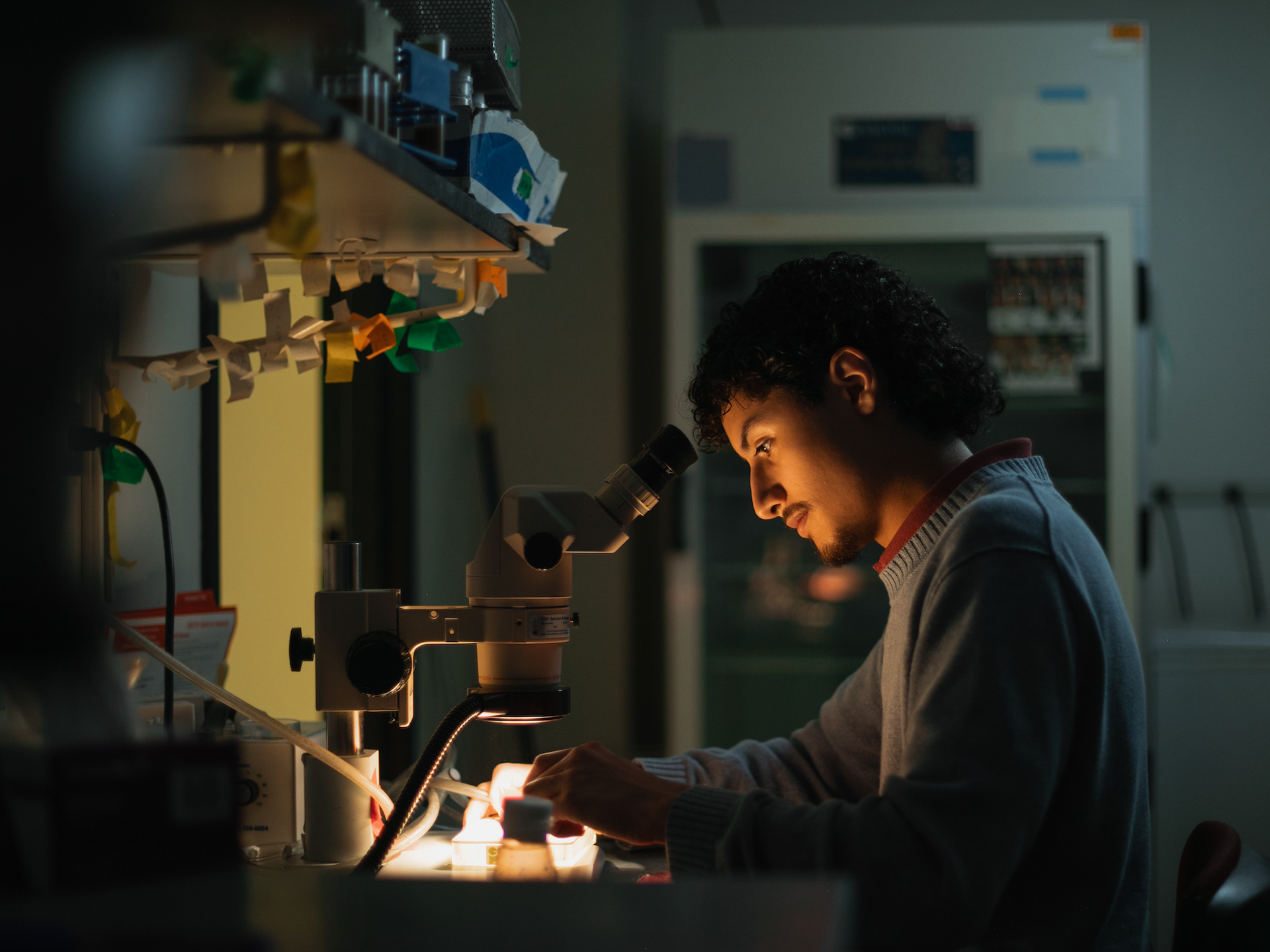
CSU is among the nation’s top research universities, so it makes sense that students would dive into research to extend their classroom learning. Thousands are doing just that. Meet students investigating everything from cancer to hydraulic dams and music therapy.